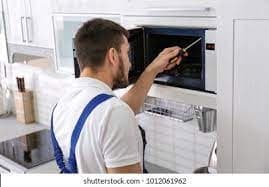
A microwave oven heats food using electromagnetic waves, which agitate water molecules inside the food. However, when you turn on your microwave and witness bright blue or orange sparks, accompanied by popping sounds, it can be an incredibly alarming experience.
Ignoring internal sparks can destroy the oven's magnetron or create an electrical fire hazard. Here are the 3 most common causes of microwave sparking and how to resolve them safely:
1. A Damaged Waveguide Cover (Mica Sheet)
Inside the right wall of your microwave's cavity, you will find a small, square card-like sheet held in place by screws or slots. This is the waveguide cover, made of a mineral called Mica.
The Issue: The waveguide cover allows microwave energy to enter the cavity while keeping food splatters, steam, and oil out of the sensitive magnetron antenna. If food grease splatters onto this sheet, it absorbs the microwave radiation, superheats, and burns a hole through the sheet, creating highly dangerous electric arcing (sparks). The Fix: Clean the inside of the oven. If the waveguide cover has a burnt spot, carbon stains, or a hole, do not use the microwave. Our doorstep technicians can cut and install a brand-new high-grade Mica waveguide cover in under 10 minutes at your home.2. Exposed Metal or Chipped Cavity Paint
Microwaves reflect off metal. The internal walls of your microwave are made of steel, coated with thick high-temperature insulating paint.
The Issue: If you accidentally use metallic bowls, aluminum foil, or plates with gold/silver trim, the microwave energy will create an electrical current in the metal, causing sparks to jump. Similarly, if the internal enamel paint chips off over time, exposing the raw steel underneath, the waves will arc against the exposed metal walls. The Fix: Never use metal utensils, foil, or twist-ties inside a microwave. If internal paint is chipped or rusting, unplug the unit. A certified technician must sand down the rust and apply specialized, microwave-safe cavity touch-up paint.3. Splattered Food Grime and Carbon Build-up
When soups boil over or greasy foods are heated without a lid, they splatter onto the top, bottom, and side walls of the microwave.
The Issue: Leftover food splatters absorb microwave energy repeatedly. As they bake and dry out, they turn into highly concentrated carbon spots. Carbon conducts electricity, which leads to violent popping and sparking during subsequent uses. The Fix: Keep your microwave clean! Wipe down the interior walls regularly with a soft microfiber cloth and a mild soap-water solution. For stubborn stains, microwave a bowl of water with a slice of lemon for 3 minutes to steam and loosen the grease before wiping.⚠️ Critical Safety Warning!
Never attempt to open the rear cover of a microwave oven yourself. Microwaves utilize a high-voltage transformer and a heavy-duty capacitor that can hold a deadly electrical charge of over 4,000 Volts, even when the microwave is completely unplugged from the wall!
Book Doorstep Microwave Repair in Kolkata
If your microwave is sparking, refusing to heat, or has button issues, let our certified safety experts handle it. Book a professional doorstep inspection with Appliance Service Kolkata for only ₹299 (completely adjusted in your repair bill). Call us at +91 8240528725 today!